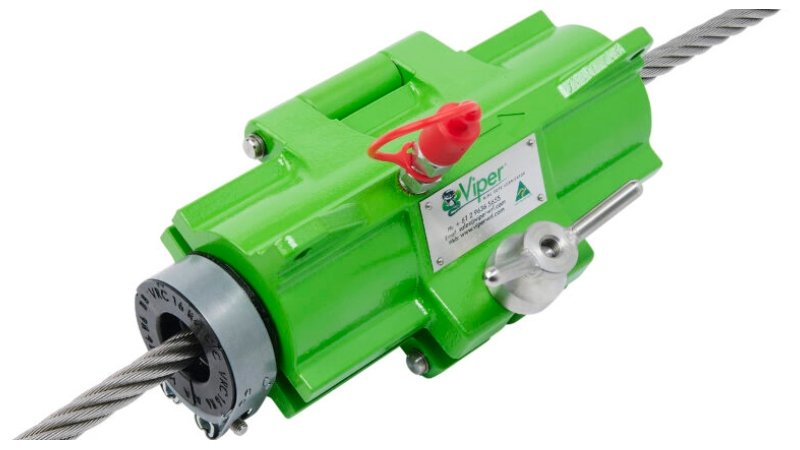
Wire ropes do some of the hardest work on cranes, ships, mines and offshore platforms, yet their maintenance has often relied on basic methods. Brushes, rags, gloved hands and drip cans have been the standard tools for generations. A viper rope lubrication setup takes a different approach, using pressure rather than surface coating to get grease where it matters. Understanding that difference helps explain why many operators are rethinking how they look after their ropes.
The Problem With Coating the Outside
A wire rope is not a solid bar. It is made of many strands wrapped around a core, and the internal wires rub against each other every time the rope bends over a sheave or drum.
Traditional manual methods mainly deposit lubricant on the outer surface. Some of it may work its way inward, but much stays on top, where it attracts dirt or gets flung off during operation. The core, where internal friction and corrosion often begin, can remain under-protected.
How a Pressurised System Works
Cleaning Before Greasing
With this kind of system, a sealed collar sized to the rope is clamped around it while the rope is drawn through. Scraper plates at the entry remove dirt, grit and old, contaminated lubricant before fresh grease is applied.
Forcing Lubricant Inward
Inside the collar, a pump pushes new lubricant under pressure between the strands toward the core. The rope leaves with grease distributed internally and a thin protective film on the outside.
Key Differences From Manual Methods
Depth of Coverage
Because lubricant is driven into the rope rather than brushed onto it, internal wires receive attention that manual techniques struggle to reach. Pressurised application can also help push out trapped moisture.
Consistency
Hand application varies with the person, the conditions and the time available. A mechanical system applies lubricant more evenly along the full length of the rope.
Less Mess and Waste
Manual greasing often leaves excess product on decks, ground surfaces or nearby equipment. A sealed collar keeps the process more contained, which can mean less wasted lubricant and easier clean-up.
Safety and Labour Considerations
Hand-greasing long ropes can put workers close to moving equipment, at height or in awkward positions for extended periods. Automating much of the task reduces the time people spend in those situations.
It can also free up maintenance crews for other work. Instead of several people spending hours with brushes, a smaller team can set up the collar and monitor the process.
Where These Systems Are Used
Pressurised rope lubricators appear across a range of industries:
- Tower and mobile cranes in construction
- Mooring and winch ropes on ships
- Offshore lifting equipment
- Mining hoists and draglines
- Port cargo machinery
Each environment brings its own challenges, from salt spray to abrasive dust, which makes thorough internal protection relevant.
Planning for the Switch
Moving to a pressurised system involves choosing the right collar and seals for each rope diameter and selecting a lubricant suited to the operating conditions. Manufacturer guidance and rope inspection schedules should still shape how often lubrication takes place.
Regular inspection remains essential. Better lubrication supports rope care, but it does not replace checks for broken wires, deformation or wear.
A Smarter Way to Care for Hard-Working Ropes
Traditional methods served industry for decades, but they leave gaps in coverage, consistency and safety. Pressurised lubrication addresses many of those gaps by cleaning and greasing the rope in a single pass. For operations that depend on wire ropes every day, that shift can make maintenance more thorough and manageable. Click here for more Information.