Your car’s seats handle more daily wear than you might realize. Every commute, grocery run, school pickup, and weekend trip brings contact with clothing, bags, food, moisture, and dirt. Over time, that use can leave upholstery stained, scuffed, or harder to maintain. Choosing custom-made seat covers for cars adds a practical layer of protection while giving your interior a more coordinated appearance.
Tailored seat protection offers more than a cosmetic upgrade. A cover designed for your vehicle’s seating configuration can accommodate its contours and everyday functions more closely than a general-purpose alternative. With the right material and fit, you can make cleaning easier, improve everyday comfort, and reduce direct exposure to common sources of upholstery wear.
A Closer Fit for Your Vehicle’s Seats
Seat designs vary considerably between vehicles. A compact sedan may have deeply contoured front seats, while an SUV might feature split-folding rear seats, integrated armrests, and several adjustable headrests. These details influence how well a protective cover fits and functions.
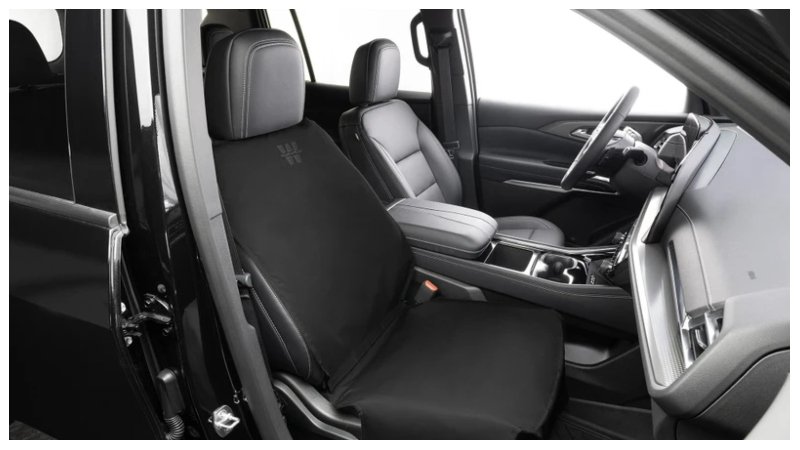
Tailored covers account for the seating configuration specified when ordering. Depending on the product, that can include separate pieces or openings for headrests, armrests, seat controls, and other features. A closer fit helps create a finished appearance with less excess fabric around the seating surface.
Why Accurate Vehicle Details Matter
Ordering the correct fit requires more than knowing your car’s make and model. The model year, trim level, seat style, and rear-seat configuration may also affect compatibility. Two vehicles from the same model range can have different seating arrangements.
Before purchasing, compare the product’s fit requirements with your actual seats. Check details such as removable headrests, built-in seat belts, folding sections, and center consoles. Accurate information helps prevent installation problems and disappointment when the covers arrive.
Protection Against Everyday Dirt and Spills
Coffee splashes, muddy clothing, snack crumbs, and damp jackets can all affect your vehicle’s interior. Seat covers create a removable barrier between these everyday messes and the original upholstery. Instead of cleaning the seat itself after every incident, you may be able to clean the protective layer.
The amount of protection depends on the material and construction. Some covers resist light splashes, while others are designed for greater exposure to moisture. Read the product specifications carefully, especially if spills, wet equipment, or outdoor activities are part of your routine.
Match Moisture Protection to Your Needs
Water resistance and waterproof construction describe different levels of protection. A material that handles a few droplets may not prevent liquid from passing through during a larger spill. Seams, openings, and uncovered areas can also affect overall performance.
Clean up spills promptly, even when using protective covers. Removing moisture and allowing the material to dry helps keep the seating area comfortable and easier to maintain. Seat protection works best alongside regular care.
Less Direct Wear on Original Upholstery
Getting into and out of your car repeatedly creates friction against the seat cushion and side bolsters. Work clothing, bags, sports equipment, and pet claws can add further contact. A cover takes some of that direct exposure instead of leaving the original upholstery fully exposed.
This can be especially useful for drivers who spend many hours on the road or regularly carry passengers. While a cover cannot prevent every form of damage, it provides a replaceable surface that can absorb everyday use.
Protecting seats early also makes maintenance more manageable. Rather than waiting until upholstery shows noticeable wear, you can establish a cleaning routine and inspect the seats beneath the covers periodically.
An Interior That Is Easier to Clean
Vehicle seats can be awkward to clean thoroughly, particularly when dirt settles into seams or textured surfaces. Removable covers may simplify the process by allowing you to address messes separately from the seat. That convenience can make a difference in a vehicle used daily.
Care requirements vary between fabrics. Some products allow machine washing, while others require spot cleaning or a specific cleaning method. Follow the manufacturer’s instructions rather than assuming every cover can go into the washing machine.
Regular vacuuming also helps. Removing grit, crumbs, and loose debris prevents buildup and keeps the interior more pleasant between deeper cleaning sessions. If you remove covers for washing, let them dry completely before reinstalling them.
Comfort That Suits Your Daily Routine
Protection matters, but you also need to enjoy sitting on the material. The texture, thickness, and breathability of a cover influence how it feels during your commute. A fabric suited to occasional outdoor trips may feel different from one selected primarily for daily passenger comfort.
Think about your climate and driving habits before choosing a material. If your vehicle sits outside in warm weather, consider how the fabric feels after parking. If you regularly enter the car wearing damp clothing, prioritize a material suited to that exposure and easy to dry.
A proper fit contributes to comfort as well. Excess material or poorly secured sections can feel distracting. Follow the installation instructions and adjust the cover so it sits evenly without bunching.
A More Coordinated Interior Appearance
Tailored seat covers offer an opportunity to refresh your interior without replacing the seats. You can choose a subtle color that complements the dashboard and door panels or introduce a different texture that suits your preferences. Consistent coverage can make the cabin feel more put together.
Appearance should still work alongside practicality. Consider how a color will look with your usual passengers, pets, and activities. A visually appealing fabric is more useful when its cleaning requirements also fit your lifestyle.
Seat covers can conceal existing cosmetic wear, but they do not repair damaged upholstery or seat components. Address underlying problems before covering them, particularly if they affect comfort or operation.
Practical Benefits for Families, Pet Owners, and Active Drivers
Different drivers place different demands on their seats. Families may want easier cleanup after snacks and school activities. Pet owners may prioritize a surface that is easier to vacuum and better suited to repeated contact with fur and paws.
Drivers who hike, camp, garden, or play sports often bring dirt and moisture into the cabin. Protective covers can help manage that exposure without requiring constant deep cleaning of the original upholstery. People who use their vehicles for work may benefit from a material chosen for frequent entry, exit, and contact with work clothing.
Start with your most common source of mess or wear. Choosing around your actual routine is more useful than selecting a material based on appearance alone.
What to Check Before Buying Tailored Seat Protection
A suitable cover should accommodate the features you use every day. Confirm compatibility with seat-mounted airbags, integrated restraints, seat adjustments, and any heating or ventilation features. Do not assume that a close fit alone establishes compatibility.
Review the installation instructions, material specifications, and care guidance before ordering. Check whether you are purchasing front-seat protection, rear-seat protection, or a complete set. Product photos can help, but the written fit details should guide your decision.
Tailored seat protection is a practical investment when it matches your vehicle and routine. By choosing an appropriate fit and material, you can reduce direct upholstery wear, simplify cleanup, and create a more comfortable, coordinated interior for everyday driving. Click here for more Information.