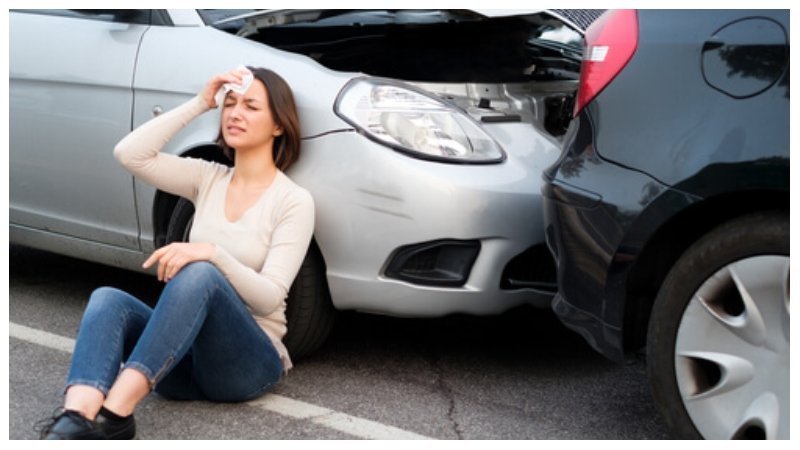
Aches and stiffness are some of the most common complaints after a crash. Even a low-speed collision can leave you hurting in ways you did not expect.
Understanding what causes the pain and when to get checked can protect your health. It can also protect your ability to recover compensation.
Why Your Body Hurts After a Collision
In a crash, your body absorbs sudden, violent force. Muscles, ligaments, and joints can be stretched, twisted, or jolted, even when the impact seems minor.
That is why soreness does not always match how bad the collision looked. A crash with little vehicle damage can still cause real injury.
Many people feel fine at the scene because adrenaline masks pain. Once it fades and inflammation builds, discomfort often appears hours or days later.
Common Injuries Behind Post-Crash Soreness
Several injuries can explain lingering pain. Some heal quickly, while others need ongoing care.
Whiplash
Whiplash happens when the head snaps forward and back, straining the muscles and ligaments in the neck. It is especially common in rear-end collisions.
Most people recover within a few weeks. For others, neck and back pain can last for months.
Muscle Strains and Sprains
A crash can twist your body into unnatural positions. Muscle fibers may tear, and tendons may stretch past their normal range.
Expect stiffness, swelling, and tenderness in the following days. Rest helps many people, though some need physical therapy.
Spinal Injuries
Your spine takes significant force in a collision, so back pain should never be brushed off. It can point to a more serious injury.
Pain that is sharp, radiating, or unusually intense deserves a doctor’s visit right away.
Head Injuries
A sore head or neck can signal a traumatic brain injury. Even a mild concussion may cause headaches, dizziness, or a dull ache that will not go away.
Symptoms are not always obvious at first, so treat any head injury as a medical priority.
How Long Should Soreness Last?
Feeling sore for a few hours or several days is common, even after a minor crash. Much of it is the body’s natural inflammatory response to sudden stress.
Soreness that continues for six weeks or longer is generally not considered normal, especially after a low-speed collision. If you want a deeper look at how long you should be sore after a car accident, the timeline can vary depending on the type of injury.
Pain that lasts this long often means an underlying problem needs further evaluation.
Warning Signs You Should Not Ignore
Not every injury fades on its own. Seek medical attention promptly if:
- Your pain grows worse instead of better
- New symptoms appear days after the crash
- Pain is sharp, shooting, or spreads to your arms or legs
- You have headaches, dizziness, or trouble concentrating
Waiting too long can make injuries harder to treat. It can also hurt a future claim, since insurers often argue that a gap in treatment means the injury was minor or unrelated to the crash.
What to Do If the Pain Sticks Around
If your soreness does not improve in a reasonable time, you may need more treatment. A doctor might recommend physical therapy, chiropractic care, or prescription medication. In serious cases, imaging or surgery may be suggested.
Follow your provider’s plan and attend every appointment. Consistent care supports your recovery and shows how your injuries developed over time.
Keep Detailed Records
Save every medical record, diagnosis, and treatment plan. This paperwork helps show that your pain comes from the accident and not from a pre-existing condition.
Consider keeping a simple journal of your symptoms, too. Note how the pain affects your sleep, work, and daily routine.
Adjusters often look for reasons to lower settlement offers. Thorough documentation makes that much harder for them.
Why Soreness Matters for Your Injury Claim
Pain and soreness are harder to measure than a broken bone or a hospital bill. That does not make them any less real.
Insurance companies and juries tend to favor injuries with clear financial costs. As a result, the full impact of lingering pain can be undervalued. Click here for more Information.
If soreness keeps you from working, sleeping, or caring for your family, it deserves to be reflected in your compensation. Proving that connection often takes legal experience.
How a Car Accident Attorney Can Help
Recovering from a crash is hard enough without handling insurance negotiations and legal deadlines on your own. An experienced attorney can manage your claim while you focus on healing.
A skilled legal team knows how to tie medical evidence to your pain and suffering. They can also counter lowball offers and pursue the full compensation you deserve.
If you were hurt, an experienced car accident lawyer can review your situation and explain your options. If you are elsewhere. You can find a legal team near you.
If you are still sore, after a car accident and unsure what to do next. Speaking with an attorney can help protect both your health and your legal rights.