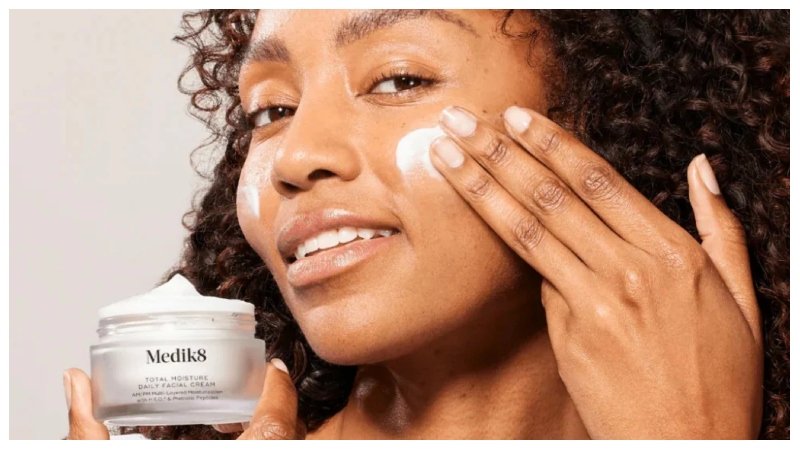
Healthy, radiant skin starts with a consistent skincare routine and ingredients that support the skin’s natural functions. Today, GHK-Cu & NAD+ Cream for Skin Support & Glow is gaining attention as a modern approach to achieving smoother, fresher-looking skin. By combining interest in NAD+ with the potential benefits of copper peptides, this skincare concept offers an appealing option for people who want to improve their skin’s appearance without relying on complicated routines. Moreover, the growing interest in Peptide Therapy reflects a wider shift toward targeted skincare solutions that focus on hydration, skin texture, and visible signs of aging. Although results depend on the formulation and individual skin needs, these innovative ingredients offer an exciting direction for contemporary skincare.
Understanding NAD+ and Its Role in Skin Health
NAD+, short for nicotinamide adenine dinucleotide, is a coenzyme found naturally in the body. It plays an essential role in cellular energy production and several biological processes that help cells function properly. Researchers have also explored its relationship with cellular maintenance and aging, making it an interesting subject in modern skin science. As the skin experiences environmental stress, natural aging, and changes in moisture levels, maintaining a healthy skin barrier becomes increasingly important. However, applying NAD+ to the skin is not the same as increasing NAD+ levels inside skin cells, and its effectiveness depends on how well the ingredient remains stable and penetrates the skin.
NAD+ skincare products aim to build on this scientific interest by incorporating the coenzyme into topical formulations. Their appeal lies in the possibility of supporting a skincare routine focused on a healthier-looking complexion. Nevertheless, consumers should distinguish between established biological functions of NAD+ and claims about the benefits of NAD+ creams. Evidence supporting the use of NAD+ directly on human skin remains limited, and researchers continue to investigate the best ways to deliver related compounds effectively. Therefore, choosing a thoughtfully formulated product and maintaining realistic expectations are important steps toward making an informed skincare decision.
Why GHK-Cu & NAD+ Cream for Skin Support & Glow Stands Out
One of the most interesting aspects of GHK-Cu & NAD+ Cream for Skin Support & Glow is the combination of two ingredients associated with different areas of skin research. GHK-Cu is a copper-binding peptide that has attracted scientific interest because of its potential role in processes associated with skin maintenance and repair. Meanwhile, NAD+ is essential for cellular metabolism. Together, these ingredients create a compelling concept for people who want a modern skincare product that goes beyond basic moisturization. The combination may appeal to individuals seeking a more targeted approach to maintaining a smooth, hydrated, and refreshed appearance, although the benefits of the specific combination require further clinical investigation.
A positive feature of peptide-focused skincare is its emphasis on supporting the skin rather than simply covering imperfections. Depending on the complete formulation, a cream may also contain moisturizing ingredients that help reduce dryness and temporarily soften the appearance of fine lines. This makes the overall product composition just as important as its headline ingredients. In particular, consumers should look for transparent ingredient lists, suitable packaging, and clear directions for use. While the combination sounds promising, it should not be treated as a proven anti-aging treatment or a guaranteed way to stimulate collagen production.
Peptide Therapy: A Modern Perspective on Skincare
Peptide Therapy has become a popular topic in conversations about skin appearance, healthy aging, and targeted cosmetic formulations. Peptides are short chains of amino acids, the building blocks of proteins, and some peptides are studied for their potential cosmetic applications. In skincare, certain peptides are formulated to support the appearance of firmer, smoother skin. However, different peptides perform different functions, and their effects depend on their structure, concentration, stability, and ability to reach the appropriate skin layers. Consequently, the presence of a peptide on an ingredient label does not automatically establish that a product will deliver significant visible results.
GHK-Cu is particularly interesting because it combines a peptide with copper, a mineral involved in several biological processes. Researchers have investigated its potential relationship with skin remodeling and tissue maintenance, although evidence from laboratory research does not always translate into reliable results in people. For consumers, the best approach to Peptide Therapy in cosmetic skincare is to prioritize products with credible supporting evidence and realistic claims. A well-designed peptide cream can be an appealing addition to a broader routine, but it should complement rather than replace sun protection, gentle cleansing, and appropriate moisturization.
Potential Benefits of NAD+ and Copper Peptide Skincare
When evaluating NAD+ and copper peptide creams, it helps to separate potential cosmetic benefits from outcomes that remain under investigation. A product’s results depend on the active ingredients, the supporting formula, and the condition of the user’s skin. With consistent use, a moisturizing cream may improve softness and reduce the visible effects of dryness, while a well-formulated peptide product may offer additional cosmetic benefits. However, these outcomes are not guaranteed, and evidence for a specific NAD+ and GHK-Cu combination remains limited.
Potential advantages associated with a carefully formulated product include:
- Improved hydration: Moisturizing ingredients such as glycerin and hyaluronic acid can help the skin retain water and feel softer.
- A smoother appearance: Hydration can temporarily soften the appearance of fine lines caused by dryness.
- Support for a consistent skincare routine: A targeted cream can make daily skin care feel more focused and convenient.
- Interest in skin-maintenance research: NAD+ and copper peptides offer a science-inspired approach for consumers exploring newer cosmetic ingredients.
- A more comfortable complexion: A suitable moisturizer may help reduce tightness associated with dry skin, depending on its formulation.
Importantly, these benefits should not be attributed automatically to NAD+ itself. In many products, the moisturizing base may contribute more directly to immediate improvements in softness and comfort. Therefore, consumers should assess the complete ingredient list instead of relying exclusively on marketing descriptions.
How NAD+ Cream Fits Into a Daily Skincare Routine
A consistent routine offers a practical foundation for healthier-looking skin. Even an advanced cream cannot compensate fully for excessive sun exposure, harsh cleansing, or inadequate moisturization. Fortunately, incorporating a targeted product does not require a complicated collection of skincare steps. Start by cleansing gently, applying the cream according to the manufacturer’s instructions, and using a suitable moisturizer if additional hydration is needed. During the day, finish with broad-spectrum sunscreen with SPF 30 or higher to protect against ultraviolet radiation, one of the major contributors to premature visible skin aging.
Before introducing GHK-Cu & NAD+ Cream for Skin Support & Glow, check the ingredient list for potential irritants and follow any patch-testing instructions provided by the manufacturer. Apply a small amount to a limited area first, especially if your skin is sensitive or you frequently experience irritation from new products. If the product causes persistent redness, burning, itching, or swelling, discontinue use and seek professional advice when appropriate. Introduce new skincare products gradually rather than changing your entire routine at once. This approach makes it easier to identify what works for your skin and helps you build a routine you can maintain consistently.
NAD+ Cream Compared With Traditional Skincare Options
NAD+ and copper peptide creams occupy an interesting place in the skincare market because they combine newer ingredient concepts with familiar cosmetic goals. However, consumers should compare them with established skincare ingredients based on their needs, available evidence, and budget rather than assuming that newer automatically means better.
| Skincare option | Primary purpose | Important consideration |
| NAD+ cream | Emerging approach to topical skin support | Direct clinical evidence remains limited |
| GHK-Cu peptide cream | Cosmetic skin-maintenance and appearance support | Benefits depend on formulation and supporting evidence |
| Hyaluronic acid moisturizer | Helps attract and retain moisture | Often useful for improving skin hydration |
| Niacinamide serum | Supports the skin barrier and can improve uneven-looking skin | Choose a concentration appropriate for your skin |
| Broad-spectrum sunscreen | Protects against UVA and UVB radiation | Essential for reducing sun-related skin damage |
This comparison highlights an important point: the most effective routine is not necessarily the one with the most advanced ingredients. Instead, it is the one that combines suitable products, consistent use, and realistic expectations. A person with dry skin may benefit more immediately from a reliable moisturizer, while someone exploring peptide formulations may appreciate a targeted cream as an additional step. Sunscreen remains a priority regardless of which cosmetic ingredients someone chooses.
What to Look for When Choosing a NAD+ Cream
Product quality matters when shopping for any advanced skincare formula. First, examine the full ingredient list and confirm that the product clearly identifies its active ingredients. A trustworthy manufacturer should provide straightforward application instructions, storage recommendations, and appropriate warnings. Packaging also matters because some cosmetic ingredients may degrade when exposed to light, air, or unsuitable storage conditions. Although packaging alone cannot prove effectiveness, thoughtful formulation and transparent product information are encouraging signs.
Next, evaluate the claims carefully. Be cautious of products that promise dramatic wrinkle removal, guaranteed collagen regeneration, permanent skin rejuvenation, or rapid changes without credible clinical evidence. A higher price does not automatically indicate superior quality, and scientific terminology does not guarantee that an ingredient has been tested adequately in humans. Ideally, select products supported by relevant research on the finished formulation rather than relying exclusively on studies of individual ingredients. For sensitive skin, fragrance-free options may be preferable, although individual tolerances vary. These practical checks make it easier to approach Peptide Therapy and emerging skincare ingredients with confidence.
The Future of NAD+ and Peptide-Based Skincare
The growing interest in NAD+ and peptide formulations reflects a broader movement toward ingredient-focused beauty products. Consumers increasingly want to understand how products work, why ingredients appear in formulas, and what evidence supports their claims. As research advances, scientists may gain a clearer understanding of topical NAD+ delivery, the stability of related compounds, and the best ways to formulate peptides for cosmetic use. Such developments could help manufacturers create products with more clearly defined benefits and better-supported claims.
For now, NAD+ creams are best viewed as an emerging skincare option rather than a scientifically established solution for reversing skin aging. The concept is promising, particularly for consumers interested in combining innovative ingredients with everyday skin care. Nevertheless, future progress depends on well-designed human studies, transparent reporting, and realistic communication about results. A positive approach to modern skincare does not require accepting every marketing claim; instead, it means staying curious while making informed decisions.
Final Thoughts: A Fresh Approach to Healthier-Looking Skin
NAD+ cream offers an intriguing addition to the evolving world of cosmetic skincare. Its association with cellular energy research, combined with interest in copper peptides, makes it an appealing option for people exploring newer approaches to maintaining a healthy-looking complexion. GHK-Cu & NAD+ Cream for Skin Support & Glow captures this growing interest by bringing together two ingredients that attract attention in contemporary skincare discussions. However, the effectiveness of a particular cream depends on its formulation, and strong clinical evidence for the combined topical approach remains limited.
Ultimately, the smartest skincare strategy combines curiosity with consistency. Peptide Therapy may offer interesting possibilities, but no single cream replaces daily sun protection, gentle cleansing, and appropriate hydration. By choosing transparent formulations, monitoring how the skin responds, and avoiding exaggerated promises, consumers can explore emerging skincare products without losing sight of proven essentials. With a balanced routine and realistic expectations, it is possible to work toward skin that looks smoother, feels more comfortable, and maintains a healthy, natural glow.
Frequently Asked Questions (FAQs)
What is NAD+ cream used for?
NAD+ cream is a cosmetic skincare product designed to incorporate NAD+ into a topical formulation. It is marketed for skin-support and appearance-related purposes, although evidence demonstrating specific benefits from applying NAD+ directly to human skin remains limited. The overall formula, especially its moisturizing ingredients, may influence how the skin feels and looks.
What makes GHK-Cu & NAD+ Cream for Skin Support & Glow different?
This combination brings together NAD+, a coenzyme involved in cellular metabolism, and GHK-Cu, a copper-binding peptide studied for potential skin-related applications. The combination is scientifically interesting, but its effectiveness depends on the formulation. More clinical research is needed to establish whether combining these ingredients offers meaningful advantages over conventional skincare products.
Can NAD+ cream reduce wrinkles?
A moisturizing cream may temporarily soften the appearance of fine lines associated with dryness. However, there is currently insufficient evidence to conclude that topical NAD+ cream reliably reduces wrinkles or reverses skin aging. Sunscreen and evidence-based skincare ingredients remain important parts of a routine focused on preventing and managing visible signs of aging.
Is Peptide Therapy suitable for every skin type?
Peptide-containing cosmetic products may suit many skin types, but individual responses vary. Fragrances, preservatives, and other ingredients in the formula can cause irritation in some people. Review the ingredient list, patch-test new products, and discontinue use if irritation develops. People with persistent skin concerns should consult a qualified dermatologist.
How long does NAD+ cream take to show results?
There is no established timeline for results from topical NAD+ cream because evidence for its specific skin benefits remains limited. Improvements in hydration from the moisturizing base may become noticeable relatively quickly, while other cosmetic changes can take longer and may not occur. Follow the product instructions and evaluate your skin’s response over time.
Can NAD+ cream replace moisturizer or sunscreen?
No. Depending on its formulation, NAD+ cream may provide moisturization, but it should not replace a suitable moisturizer when additional hydration is needed. It also cannot replace broad-spectrum sunscreen, which helps protect the skin from ultraviolet radiation. A balanced skincare routine should prioritize these established essentials before adding emerging cosmetic ingredients. Click here for more Information.