Key Takeaways
- Higher-density computing makes thermal planning a core facility design concern.
- Cooling, airflow, power, materials, and safety systems should be designed as connected systems.
- Modular layouts can reduce disruption when capacity or equipment requirements change.
- Material decisions should account for heat, fire, impact, moisture, maintenance, and installation conditions.
- Testing and continuous monitoring help identify issues before they threaten availability.
Data centers must be designed to handle two challenges at once: the heat generated by increasingly demanding computing workloads and the constant need to adapt as technology changes. Artificial intelligence, cloud services, and high-performance computing can increase rack power requirements, putting pressure on cooling systems, airflow management, electrical infrastructure, and available space. A facility that meets today’s needs may require costly modifications tomorrow if its original design leaves little room for higher-density equipment or new cooling technologies.
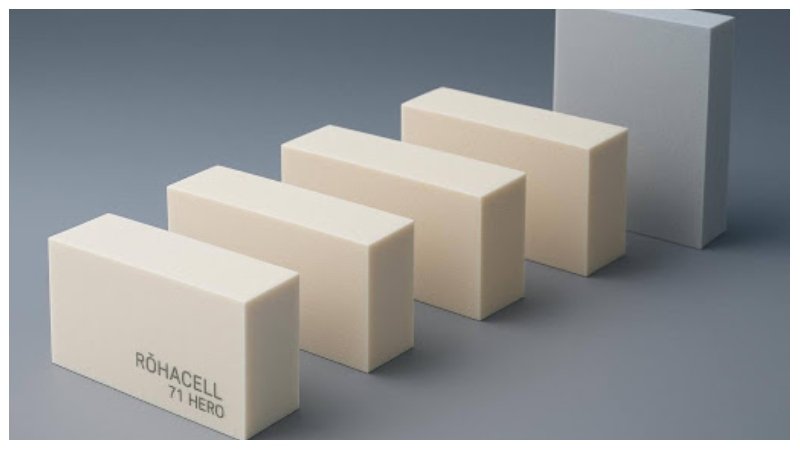
Building for long-term performance means looking beyond servers and mechanical systems. Protective barriers, equipment guards, inspection covers, and other interior components must also withstand their intended operating conditions while supporting safe access and maintenance. Specifying flame-retardant thermoplastic sheet for data centers is one material consideration within this broader process, with suitability depending on the component’s location and performance requirements. By coordinating thermal management, fire safety, material selection, maintenance access, and future expansion from the beginning, design teams can create facilities that remain reliable and adaptable as computing demands evolve.
Table Of Contents
- Why Data Center Design Is Changing
- How Heat Changes Facility Planning
- Comparing Air, Liquid, And Hybrid Cooling
- Building Better Airflow And Containment
- Choosing Materials For Mission-Critical Areas
- Using Modular Design For Future Growth
- Planning For Fire, Electrical, And Worker Safety
- A Practical Design Review Checklist
- Final Thoughts
Why Data Center Design Is Changing
A building may remain in service for decades, but the IT equipment inside it can be replaced on a much shorter cycle. A room planned around a single rack density or air-cooling strategy may require extensive rework if future hardware draws more power or requires liquid connections. Early planning should therefore define design assumptions, identify likely change points, and protect routes for future electrical, piping, cabling, and control-system upgrades.
How Heat Changes Facility Planning
Nearly all electrical energy used by IT equipment ultimately becomes heat that must be controlled or removed. As rack loads increase, the effect extends beyond the cooling plant. It can influence room layout, structural loading, power distribution, ceiling clearances, service corridors, and emergency procedures. Thermal mapping and computational fluid dynamics modeling can help project teams examine pressure differences, airflow paths, hot-air recirculation, and temperature variation before construction or major upgrades begin.
Comparing Air, Liquid, And Hybrid Cooling
There is no universal cooling method for every room or workload. Air cooling remains familiar and practical for many lower-density applications. Direct liquid cooling moves heat collection closer to processors or other high-load components. Immersion cooling places selected equipment in a nonconductive fluid. Hybrid facilities can use multiple approaches in separate zones, allowing operators to support mixed equipment populations without forcing one solution across the entire building.
Cooling selection should also account for water availability, maintenance procedures, leak detection, fluid compatibility, energy demand, noise, and equipment replacement plans. The AI data center energy performance framework emphasizes integrated planning across thermal management, electrical systems, energy and water use, and reliability.
Building Better Airflow And Containment
Airflow management remains important in air-cooled and hybrid environments. Hot-aisle and cold-aisle arrangements can limit the mixing of supply and return air when the layout is supported by containment, appropriate equipment placement, and disciplined maintenance. Blanking panels, sealed cable openings, return-air paths, raised-floor details, and door locations all matter. Small gaps may allow conditioned air to bypass equipment or permit hot air to return to server inlets.
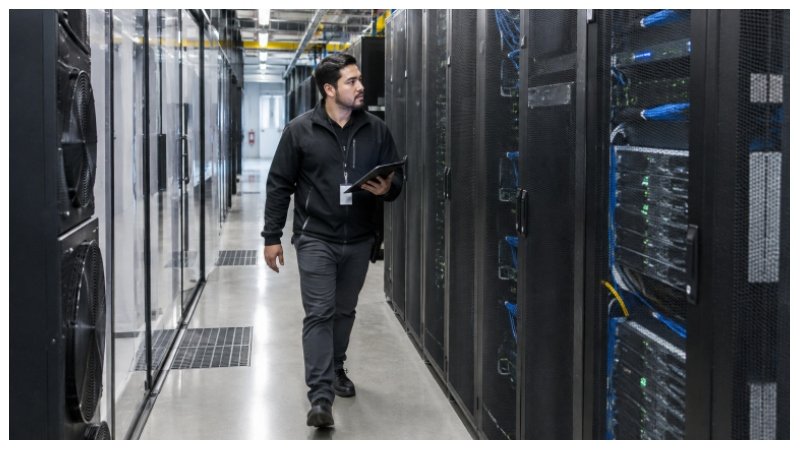
Containment should improve thermal control without creating barriers to service work. Design reviews should confirm that technicians can open doors, move replacement parts, inspect connections, and safely reach shutoffs. A containment plan that is difficult to maintain may gradually lose its effectiveness.
Choosing Materials For Mission-Critical Areas
Material selection is an operational decision, not just an architectural one. Protective panels, partitions, covers, guards, and transparent inspection components can be exposed to heat, vibration, moisture, cleaning chemicals, repeated access, and accidental impacts. Requirements should be tied to the location and job of each component rather than applied broadly across the facility.
Questions To Ask During Material Review
- Will the material remain stable through expected temperature changes?
- Does it meet applicable fire and smoke requirements for its location?
- Can it tolerate impact during installation and routine maintenance?
- Is it compatible with nearby fluids, sealants, and cleaning products?
- Can technicians replace or reposition it with limited disruption?
- Do its weight and mounting requirements suit the supporting structure?
Using Modular Design For Future Growth
Modular planning can make expansion more manageable by using repeatable room layouts, equipment skids, service corridors, and standardized connection points. Flexibility does not require leaving excess space everywhere. It means reserving capacity for later use, such as accessible cable pathways, spare electrical routes, adaptable mounting locations, and practical routes for new piping. This focus on flexible data center design supports phased growth without unnecessarily disrupting active operations.
Planning For Fire, Electrical, And Worker Safety
Safety planning should start at concept design, not after equipment has been selected. Electrical separation, fire protection, emergency access, worker clearances, and material performance all shape facility resilience. Keep power and cooling systems accessible for inspection, clearly identify valves and disconnects, and provide safe routes for moving heavy equipment. Designs should also prevent water systems from causing avoidable exposure of sensitive electronics and electrical equipment.
A Practical Design Review Checklist
- Map the workload: Identify expected equipment types, rack densities, and growth scenarios.
- Model the heat: Review current and anticipated thermal loads by room and rack zone.
- Compare cooling approaches: Evaluate air, liquid, and hybrid options against site conditions.
- Check airflow paths: Look for bypass air, recirculation, blocked returns, and leakage.
- Review materials: Confirm thermal, fire, impact, chemical, and maintenance requirements.
- Protect future pathways: Reserve practical routes for added power, piping, cabling, and controls.
- Test before handover: Complete functional tests, thermal checks, alarm testing, and emergency drills.
- Monitor after launch: Track temperature, humidity, power, leaks, alarms, and equipment trends.
Final Thoughts
A resilient data center is not simply built to handle today’s workloads. It is designed to manage heat safely, maintain dependable operations, and accommodate changes without unnecessary disruption. That requires coordinated decisions about cooling, airflow, power distribution, material performance, worker safety, and future infrastructure pathways, supported by thorough testing and continuous monitoring. When these elements are planned as parts of one system, data centers are better equipped to protect availability today while adapting to the computing demands of tomorrow. Click here for more information.