
To show projects well and attract high-value clients on Instagram, construction firms should use the platform as more than a temporary gallery of attractive images. It should act as a clear record of their work and help qualify potential clients. Construction projects involve major financial decisions and often carry a lot of emotion for property owners. Winning this work means showing proven skills, clear processes, dependable schedules, and safe site practices. By combining honest project stories with local search methods and active direct-message follow-up, contractors can turn visual interest into signed contracts.
A planned approach to construction Instagram marketing gives every post a clear business purpose. Instead of sharing only polished photos of finished rooms or building exteriors, successful builders use Instagram to explain difficult construction work, answer common concerns about rising costs, and show how well their teams operate before a first meeting takes place.
What Is Construction Instagram Marketing?
Construction Instagram marketing means using Instagram’s visual tools-including grid posts, carousels, Reels, and interactive Stories-to record building projects, explain construction skills, and help potential clients review a company before making contact. It turns heavy equipment, raw materials, engineering methods, and building plans into clear content that helps people feel confident.
Construction marketing works differently from standard retail marketing. Decisions often take longer, and project values are usually much higher. Clients rarely choose a contractor on impulse. Instead, they use Instagram to check recommendations, review past work, and decide whether a building team has the technical skills, communication habits, and responsibility needed to complete a demanding project without major problems.
Why Construction Companies Benefit from Visual Marketing
Construction is a physical and visual trade. The changes from digging foundations to fitting custom joinery naturally create a strong story. Instagram lets builders show potential clients what happens behind the site fencing, turning a process that may seem closed off or confusing into something clear and engaging.
Photos and videos also provide direct proof of ability. When potential clients compare several contractors, clear images and detailed progress videos show the quality of the finish, the condition of the site, and the care given to each task. This gives a builder an advantage that written proposals cannot provide on their own.
How Instagram Builds Awareness, Trust, and Qualified Leads
Trust is a key part of modern construction sales. Property owners often worry about poor communication, unclear quotes, and unexpected increases in their budget. A regular, well-managed Instagram account can reduce these concerns by showing your team solving real site problems in a calm and professional way.
Instagram can also help filter potential clients. By sharing realistic project scopes, explaining local planning limits, and discussing material choices, you teach your audience what quality construction involves and what it may cost. People who contact you are then more likely to understand your service, fit your business, and be ready for a useful first call.
Define Your Construction Audience and Marketing Goals
Good marketing starts with clear audience groups. A property developer choosing a main contractor has very different needs from a homeowner planning a high-end kitchen extension or an architect searching for a skilled framing subcontractor. Content aimed at everyone often connects with no one.
When you define your ideal client at the start, your visual style, technical explanations, and sales messages stay focused. You can speak directly about concerns such as budget control, building rules, and reliable schedules. This helps your content connect with the people most likely to hire your main services.
Identify Homeowners, Developers, Commercial Clients, and Trade Partners
Divide your audience by looking at who makes the buying decision for each type of project. Residential clients often respond to visible change, good workmanship, tidy sites, and clear timeframes that limit disruption to their daily lives. They want to feel that their home and money are being looked after.
Commercial developers, estate agents, and architects usually focus on legal compliance, schedule control, health and safety records, and risk reduction. Content for these groups should show accurate engineering work, key structural stages, cooperation between specialist trades, and well-managed contracts.
Set Goals for Reach, Engagement, Website Visits, and Enquiries
Useful marketing needs measurable business targets instead of a general wish to become popular on social media. Decide what success should look like over a quarter or a year, then connect your content results to your sales process.
Group your measures by purpose: reach shows whether local people are seeing your business; saves and shares show whether people find your content useful; profile visits and website clicks show deeper interest; and qualified messages or quote requests show growth in your sales pipeline.
Build a Professional Instagram Profile for Your Construction Business
Your Instagram profile works like a digital site office and an extra shop window. Potential clients and business partners form an opinion within seconds of visiting your page. An untidy or inconsistent profile can create doubt, while a clean and consistent account gives an immediate sense of professionalism.
A strong profile makes it easy for someone to move from viewing your work to contacting you. Your username, profile image, description, and link should show your skills, service area, and the next step for a potential client.
Choose a Recognisable Username, Logo, and Brand Style
Choose a username that is as close as possible to your registered business name. Keep it short and avoid extra symbols or numbers. If the exact name is already taken, add your main trade or location so people can still find and identify your company easily.
Use a clear, high-resolution company logo or another familiar brand symbol for your profile image. Keep the visual style of your feed consistent through matching colours, repeatable fonts on graphics, and similar lighting. This makes your page look planned and reliable, much like the buildings you create.
Write a Bio That States Your Services and Location
Your bio should quickly explain what you build, where you work, and who you help. Skip broad phrases such as “building dreams into reality.” Use direct wording such as: “Custom residential extensions and structural renovations across Surrey | Master Builders certified.”
Add one clear call to action (CTA) that sends visitors to your preferred contact method. You might use an enquiry form, phone number, or downloadable portfolio. Make the next action simple and easy to understand.
Showcase Construction Projects with High-Quality Visuals
Construction creates strong before-and-after content, but final photos alone leave out the most convincing part of the work: the skill involved. Good visual content should show the engineering, accurate joinery, and structural changes that take place behind the plasterboard.
Taking time to capture strong photos and videos shows that your company cares about its work. Clear, well-framed content can show an orderly site, careful equipment use, and high standards during each stage of the build.
Capture Progress from Groundbreaking to Completion
Record projects in order so each one forms a clear story. Start with the empty site, excavation, foundations, and structural framing. Then show first- and second-fix mechanical, electrical, and plumbing (MEP) work before moving to the final decorative finishes.
Showing each stage gives potential clients evidence of your project management skills. It shows that your company can handle the difficult middle stages of construction in an organised way, rather than appearing only at the end to complete surface-level work.
Use Wide Shots, Detail Images, and Consistent Editing
Use different camera views to tell the full story. Wide shots show the size of the project, its setting, and the building’s main shape. Medium shots show team activity and particular installations. Close-up images can highlight accurate material joints, clean welds, and sharp paint lines.
Avoid heavy filters that change the true look of materials. Natural light and small adjustments to brightness help timber, brick, stone, and metal appear as they do on site. This supports a reputation for honest and accurate work.
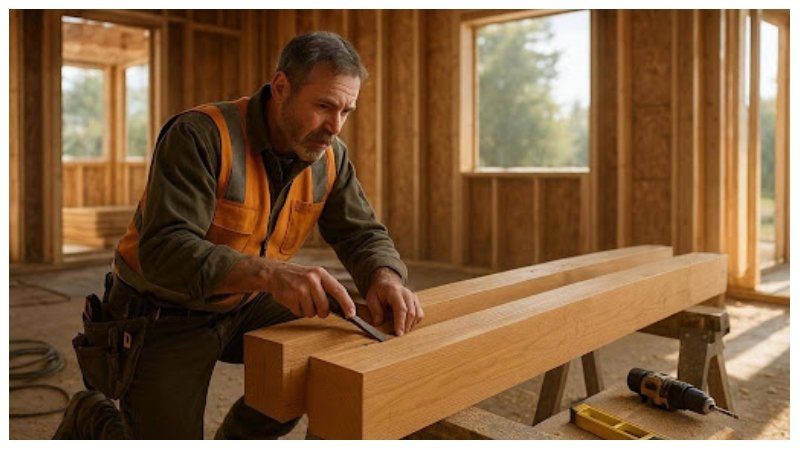
Create Instagram Content That Attracts Construction Clients
Good images are only one part of a strong post. Your captions and other content should also explain how your company manages construction risks. High-value clients want confidence in your budget control, scheduling, and ability to solve problems.
When useful images are paired with clear information, your account becomes a helpful source of advice. This can move a client’s view of your company from an ordinary trades business to a trusted construction partner.
Publish Project Case Studies With Costs, Timelines, and Results
Turn regular project posts into short case studies. Use the caption to explain the client’s starting brief, site limits such as poor access or difficult ground, the chosen building method, and the total project length.
Where suitable, share broad budget ranges or explain choices that reduced cost without lowering quality. Showing how your team handled an unexpected structural problem while protecting the schedule and budget gives strong evidence of your ability to solve problems.
Feature Customer Testimonials, Reviews, and Referrals
Reviews help reduce doubt. Instead of putting plain quotes on coloured backgrounds, place real client comments beside photos of the project they are discussing. This connects their words to visible results.
When possible, record short video interviews with happy property owners at handover. Hearing a client discuss your punctuality, daily site cleaning, and clear communication gives future clients a believable and useful recommendation.
Use Reels, Stories, Carousels, and Live Video Effectively
Instagram has several content formats, and each one serves a different purpose. A balanced construction plan uses each format with care instead of posting the same update everywhere.
Carousels can explain a project in detail, Reels can help new people find your company, and Stories can keep regular contact with interested clients and industry contacts.
Use Reels for Time-Lapses, Site Tours, and Construction Transformations
Reels are one of Instagram’s strongest tools for reaching people who do not yet follow you. Create short time-lapse videos of concrete pours, wall removals, or roof installations. A 15-to-30-second clip can show a major change in a way that holds attention.
Spoken site tours can also work very well. Ask a project manager or lead carpenter to guide viewers around an active site and explain how the team dealt with a particular trade problem. This presents your staff as skilled, clear, and proud of their work.
Use Stories for Daily Updates, Polls, Questions, and Site Visits
Your main grid can serve as a carefully selected portfolio, while Stories can show the normal routine of site work. Share quick morning checks, material deliveries, and examples of different trades working together to keep your account active and dependable.
Use Story tools such as polls, quizzes, and question boxes to ask about finish choices or answer questions about permits and planning. These features invite replies and help people remember your company.
Improve Local Discovery With Instagram SEO and Hashtags
Construction is mainly a local business. A roofing company in Bristol gains little from followers in Chicago. Instagram now works in some ways like a search engine, using written content, location tags, and images to show relevant posts to local users.
Use local wording in your profile, captions, and tags so homeowners and developers searching for building services in your area can find your work more easily.
Add Service, City, and Neighbourhood Keywords to Captions
Use natural, location-based phrases near the start of your captions and in your account name field. Wording such as “Victorian terrace extension in Clapham” or “Custom home foundation poured in North Austin” helps Instagram identify both your service and your location.
Add useful alt text to each image through the advanced settings before publishing. A description such as “exposed steel universal beam installation in a modern open-plan kitchen renovation” helps search systems sort your content and supports people who use screen readers.
Use Relevant Local and Industry Hashtags
Use a mix of local community hashtags and trade-related terms. Avoid filling a post with dozens of broad tags. Choose around 5 to 10 focused phrases linked to your project location and type of construction.
Combine broad tags such as #CustomHomeBuilder and #CommercialConstruction with local tags such as #SurreyBuilders, #DenverRenovations, and #CotswoldArchitecture. This can help your projects appear when local property owners browse area tags for ideas and inspiration.
Increase Reach With Engagement, Partnerships, and Paid Ads
Organic posting alone may produce slow growth. Construction companies that build a larger audience usually combine regular content with industry relationships and carefully chosen paid promotion.
Instagram works well for shared activity. Connecting with architects, designers, suppliers, and other construction professionals can place your work in front of established groups of property owners who already have an interest in building or renovation.
Respond to Comments and Direct Messages Promptly
Handle comments and direct messages with the same care as phone calls and emails. Someone asking about a worktop, tile supplier, or structural detail may be checking your knowledge and seeing how quickly you respond.
Answer technical questions with useful, professional information. If a message shows serious buying interest, move the conversation from public comments to direct messages, then suggest an introductory call or formal consultation.
Partner With Architects, Designers, Estate Agents, and Suppliers
Construction projects depend on teamwork. When you share a finished project or major milestone, tag the architects, interior designers, structural engineers, subcontractors, and specialist suppliers who contributed.
Use Instagram’s “Collab” feature for important project updates. The post can appear on both your feed and your partner’s feed, giving your company access to the architect’s or designer’s existing audience and creating useful referral visits. To make the most of that traffic, link your profile to a portfolio website that presents your projects in detail, such as one created by Built For Studio.
Protect Your Reputation and Follow Construction Marketing Rules
Sharing an active construction site comes with legal, safety, and reputation duties. Social media should show your professional standards, not create exposure to fines, client disputes, or safety concerns.
One video showing unsafe behaviour or poor care for client privacy can damage years of brand work. Clear rules for taking and sharing content help your online presence support the business without creating avoidable problems.
Avoid Unsafe Site Practices and Misleading Project Claims
Before taking a photo or video, check that the site follows workplace health and safety rules. Everyone shown should wear the right personal protective equipment (PPE), including hard hats, eye protection, high-visibility clothing, and safety footwear.
Check that edge protection, scaffolding, and trench support systems are correctly fitted and visible in shared footage. Keep captions truthful as well. Do not claim full design responsibility for a project if your company worked only as a trade subcontractor.
Protect Client Privacy, Property Details, and Worker Identity
Get written permission from property owners before sharing images of their homes, especially interior photos. Do not show house numbers, street signs, alarm panels, valuable personal items, or vehicle registration plates.
Respect tradespeople and subcontractors working on the site. Ask whether workers are comfortable appearing on camera. Avoid showing sensitive drawings or detailed security plans that may expose private client information or protected design material.
Measure Instagram Performance and Convert Followers into Clients
Likes and video views may feel encouraging, but they do not pay suppliers or improve your accounts. To judge the business value of social media, track results that connect directly to new clients and sales.
Reviewing your data helps show which projects bring genuine enquiries and which posts receive attention without leading to action. You can then focus your content on the types of work that produce the best business results.
Track Reach, Saves, Shares, Profile Visits, and Engagement Rate
Review strong engagement signals in your Instagram Professional Dashboard. Saves and shares are especially useful for construction companies. Someone who saves a guide to foundation waterproofing or shares an extension breakdown may be planning a future project.
Watch the number of profile visits created by each post. A post that sends many people to your profile has created real interest and encouraged viewers to learn more about your services and team.
Measure Website Clicks, Calls, Messages, and Quote Requests
Connect Instagram activity to your customer relationship management (CRM) system. Use trackable profile links or separate landing pages to record how many website visits, calls, and quote requests come from your social media work.
Work out your customer acquisition cost (CAC) and the rate at which social media leads become contracts. Compare these figures with referrals, printed advertising, and other channels to see the financial return from Instagram.
Turn Construction Projects into a Consistent Instagram Lead Strategy
Moving from occasional site snapshots to a planned construction marketing system requires social media to become part of normal site work. Add project documentation to your standard procedures. Give site supervisors clean camera equipment or assigned mobile devices, and set a weekly routine for gathering and storing content from every active site.
The business value of your Instagram account continues after the first enquiry. A well-managed profile can support the full sales process. After receiving your estimate, potential clients will often review your social channels to check your workmanship, team culture, and business reliability. Treat your feed as a continuing record of your skills, honesty, and care, and your projects can keep attracting the clients, architects, and trade partners that fit your business. Click here for more Information.