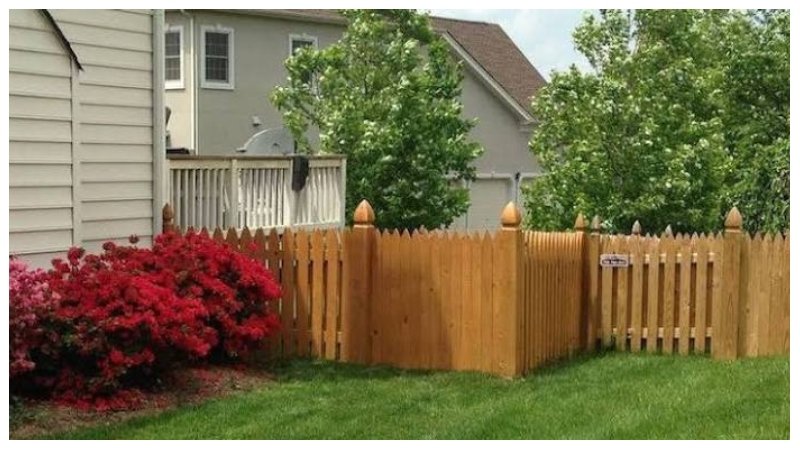
As a homeowner, your fence defines your property boundary and access points around the yard. Solid privacy panels create a more secluded space, while picket, chain-link, and ornamental fences offer different levels of visibility, so the best option depends on how well the fence works with the gates, posts, and existing property. Here is how to approach fence installation around your home’s specific needs:
Define Privacy Needs
Privacy fencing creates a more enclosed boundary around areas where limiting visibility from neighboring properties is key. Wood privacy panels provide a solid barrier, while vinyl panels offer another option for enclosed residential areas. Picket fencing provides some separation while maintaining visibility through the spaces between the boards.
Fence height also affects how much of the yard is visible from outside the property. Local property requirements also affect permitted fence height and placement in some areas. A handyman is able to tailor the fencing to your aesthetic goals and the area’s specific regulations.
Match Available Materials
The available fencing materials provide different levels of privacy and visibility around residential properties. Wood options include cedar and pressure-treated materials, while vinyl is available in privacy and semi-privacy configurations. Chain-link and ornamental aluminum fencing provide alternatives when a more open boundary suits the property. Material choice also affects the fence’s appearance and maintenance requirements. Wood surfaces accept stain and sealant, while vinyl has minimal exterior maintenance needs. Ornamental aluminum sections also create a more open appearance than solid privacy panels.
Account for Ground Movement
For fence panels and gates to remain properly supported, posts need to be firmly anchored in place. During a new fence installation, post placement, concrete, anchoring requirements, and footing depth all affect the stability of the fence. Seasonal ground movement can also cause posts, connections, and other supported sections to shift over time.
A leaning post does not always require replacement of the entire fence when the surrounding sections remain in good condition. Individual panels and rails can be reset when they are still suitable for continued use. Replacing individual posts also addresses situations where a specific post or its supporting structure is damaged or deteriorated without requiring replacement of the surrounding fence sections.
Ground conditions also affect how gates operate after fence installation. Movement in a gate post contributes to sagging, shifting, or binding during normal use. A fence assessment helps identify problems with posts, connections, and footings before they affect adjacent panels or connected sections.
Coordinate Gates Properly
A gate needs adequate support and properly selected hardware to operate within the surrounding fence system. Available services include gate installation, latch and hinge upgrades, and sag correction. Proper bracing and hardware selection each address different aspects of gate support and operation.
Plan Your Fence Installation Today
The right fence depends on the level of privacy, access, and structural support required for the property. Material selection should also account for seasonal movement and the condition of any existing fence. Property requirements further affect fence height and placement before installation begins. For help evaluating your property’s fencing needs, contact a qualified professional for fence installation and related repair services. Click here for more Information.