Key Takeaways
- A clean truck is not automatically a mechanically sound truck.
- Match the VIN across the vehicle, title, registration, and service paperwork.
- Check open recalls, title history, maintenance records, and signs of damage before making an offer.
- An independent pre-purchase inspection can uncover problems a short test drive may miss.
- Compare the full cost of ownership, including repairs and routine service, rather than focusing only on the purchase price.
Buying a used pickup can be a practical way to get towing capacity, cargo space, and everyday utility without paying for a new vehicle. It can also bring costly surprises when a truck’s appearance is better than its mechanical condition. Reviewing model-specific concerns, including Avalanche defect complaints, can help buyers ask more informed questions before they become committed to a deal.
A careful process matters because pickups may have been used for towing, hauling, work sites, off-road travel, or long highway commutes. Mileage alone does not explain how a truck was treated. A low advertised price may reflect deferred maintenance, accident repairs, rust, title concerns, or an expensive problem the seller has not fully described.
Why Research Matters Before Buying
Online listings are a starting point, not a complete vehicle file. Photos may not reveal corrosion beneath the truck, frame repairs, fluid leaks, warning lights, or uneven tire wear. Research gives buyers a chance to identify questions before emotions, travel time, and sales pressure make it harder to walk away.
Start With The Vehicle Identification Number
The vehicle identification number, or VIN, is the truck’s unique identifier. It is commonly visible through the lower driver-side windshield and should also appear on the title, registration, insurance documents, and service invoices. Photograph it and compare every character. A mismatch can signal a paperwork error, but it can also justify pausing the transaction until the seller provides a clear explanation.
Check Recalls And Vehicle History
Use the official recall lookup tool to search the truck’s VIN for unrepaired safety recalls. An open recall means a safety repair remains incomplete. A VIN search may not show recalls that have already been repaired, so ask the seller or dealer for documentation and confirm whether any parts or appointments are affected.
Also, obtain a vehicle history report. The Federal Trade Commission explains that vehicle history reports can include ownership, accident, repair, and salvage information, but they are not a substitute for an independent inspection. Look for title brands, flood or salvage history, odometer inconsistencies, frequent ownership changes, and long gaps in recorded service. Treat a clean report as useful information, not a guarantee.
Inspect And Test Drive The Truck
Exterior, Frame, And Engine Bay
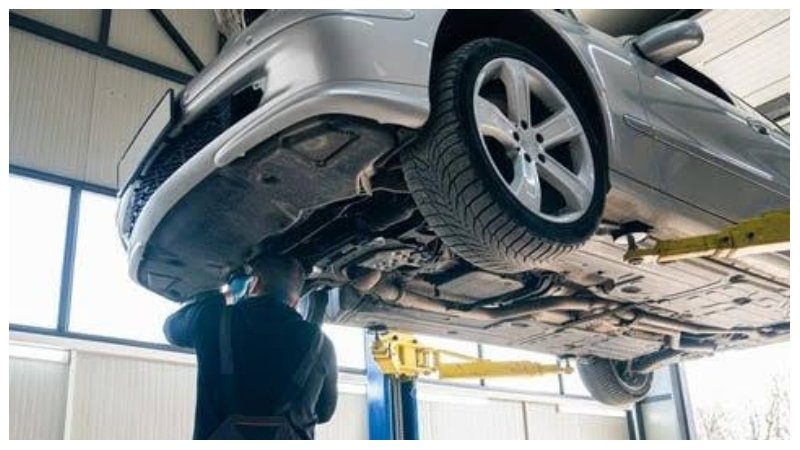
Inspect the body in daylight. Uneven panel gaps, paint overspray, mismatched finishes, bent bed rails, and irregular welds may indicate prior damage or repairs. Look beneath the truck for serious rust, cracks, leaks, damaged skid plates, and fresh undercoating that deserves an explanation. Under the hood, check fluid condition and levels, damaged wiring, loose components, and evidence of overheating.
Interior And Safety Equipment
Test windows, locks, climate controls, lights, gauges, cameras, and charging ports. Confirm that warning lights illuminate when the ignition is switched on and then go out after startup as expected. Check seat belts, horn operation, tire condition, and the visibility of airbag covers. A seller should allow enough time to test ordinary features.
Use A Deliberate Test Drive
Ask to start the truck cold when possible. Listen for abnormal noises, then test acceleration, braking, steering, reverse, turns, and highway-speed behavior. Drive on both smooth and rough surfaces if practical. Watch for pulling, vibrations, delayed shifts, harsh braking, overheating, warning lights, burning odors, or new leaks after parking.
Review Records And Ask Direct Questions
Invoices are more useful than general statements that the truck was “well maintained.” Look for dated records of oil changes, brake work, tires, cooling-system service, and repairs. Compare the mileage on the receipt with the odometer reading and note any repeated work on the same electrical, steering, brake, suspension, or drivetrain component.
Ask how long the seller has owned the truck, why it is being sold, and whether it has been used for towing, commercial work, off-road driving, or heavy hauling. Ask directly about collisions, water exposure, current warning lights, recent repairs, liens, and title issues. A reasonable seller should also permit an independent inspection.
Red Flags That Should Slow The Deal
- The seller will not provide the VIN or allow an independent mechanic to inspect the truck.
- The title information does not match the truck or the seller’s identification.
- The test drive is limited to a parking lot or rushed without a clear reason.
- Diagnostic warning lights are present, or the seller cannot explain recent repairs.
- There is a damp odor, visible water staining, unusual corrosion, or unexplained fresh coating underneath.
- The price is dramatically lower than comparable trucks without a documented reason.
Use A Pre-Purchase Inspection And Build A Repair Budget
Choose a mechanic familiar with pickups and request a written report that separates urgent safety issues from routine maintenance and longer-term repairs. The inspection can support negotiation, reveal that the truck is not a good fit, or help establish a realistic reserve fund.
Include taxes, registration, insurance, tires, fluids, maintenance, and likely repairs in the total cost. A higher-priced truck with clear records and fewer immediate needs can be the less expensive choice over the first year of ownership.
Final Buying Checklist
- Match the VIN on the truck and all documents.
- Check for open safety recalls.
- Review title status and vehicle history information.
- Inspect the frame, body, engine bay, interior, and tires.
- Take a complete test drive.
- Review maintenance and repair invoices.
- Schedule an independent pre-purchase inspection.
- Confirm the final price, title transfer requirements, and written terms.
Common Questions
Can You Buy A Pickup With An Open Recall?
Yes, but identify the recall, ask about the repair plan, and follow any safety guidance connected to that issue before driving the truck regularly.
Is Mileage Or Maintenance History More Important?
Both matter. Mileage reflects wear, while consistent records can show whether the truck received timely care and whether major systems have needed repeated attention.
Should You Avoid Every Truck With Accident Damage?
Not necessarily. The concern is whether damage involved the structure, safety systems, flood exposure, or repairs that cannot be verified. An independent inspection is especially important in those situations.
Smart used pickup shopping is about verifying the seller’s claims before money changes hands. A truck with a clear VIN record, documented maintenance, a thorough test drive, and a favorable inspection offers a stronger foundation than one chosen only for its price or appearance. Click here for more Information.